
PORTAL VEIN THROMBOSIS
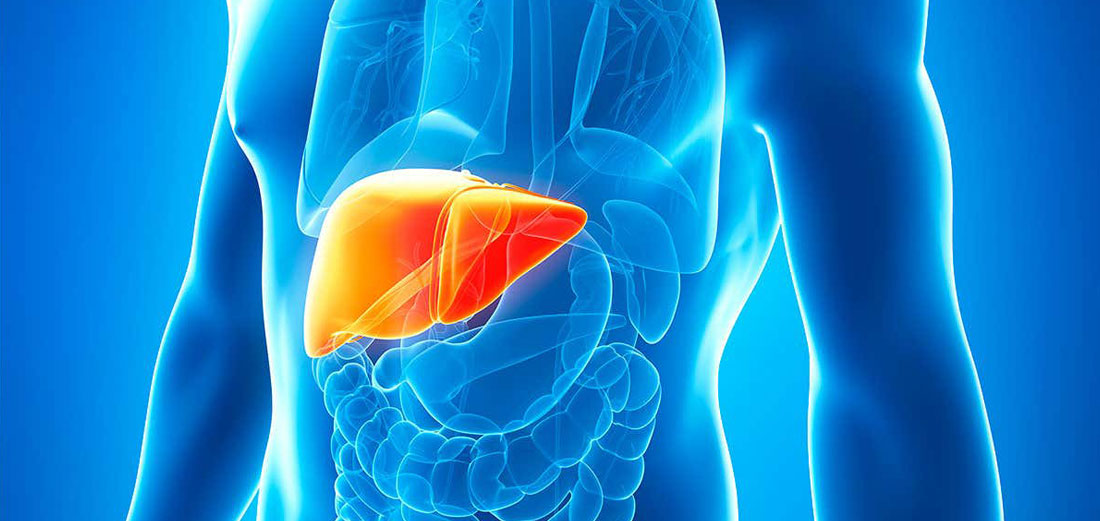
The portal venous system is the main vascular system that allows blood collected from the intestines and spleen to be processed into the liver.
The portal system provides approximately 80% of liver nutrition.
Due to various genetic predispositions, some medications (oral contraceptives-birth control pills), pregnancy, clogs may occur in various parts of this vein system due to sudden clots.
The most common symptoms are abdominal pain, fever, nausea, and vomiting, feeling of tension, and blood coming from the rectum.
If portal vein thrombosis is common, including bowel veins, early intervention should be performed.
If there is no early intervention; the feeding of the intestines may be impaired and gangrene formation and subsequent ruptures may occur on the intestinal walls, leading to fatal consequences.
It is often not enough to give only blood thinners for treatment.
Early intervention is needed to prevent bowel gangrene.
In interventional radiology, the portal vessels in the liver are entered from the skin to the vessels that supply the intestines and the clot load is reduced by using clot-dissolving drugs, vacuuming and shredding techniques that remove the clot from the body, and the intestinal nutrition is aimed to be protected by early intervention.
Sometimes balloon dilation is performed to treat the underlying stenosis or to break the clot into smaller pieces.
It is aimed to prevent the need for surgery with early intervention and the risk of bleeding and the development of intraabdominal and abdominal varices due to portal hypertension (increased vascular resistance due to obstruction) due to late congestion.
If these patients do not receive the appropriate treatment, they will have no other choice except transplantation.