
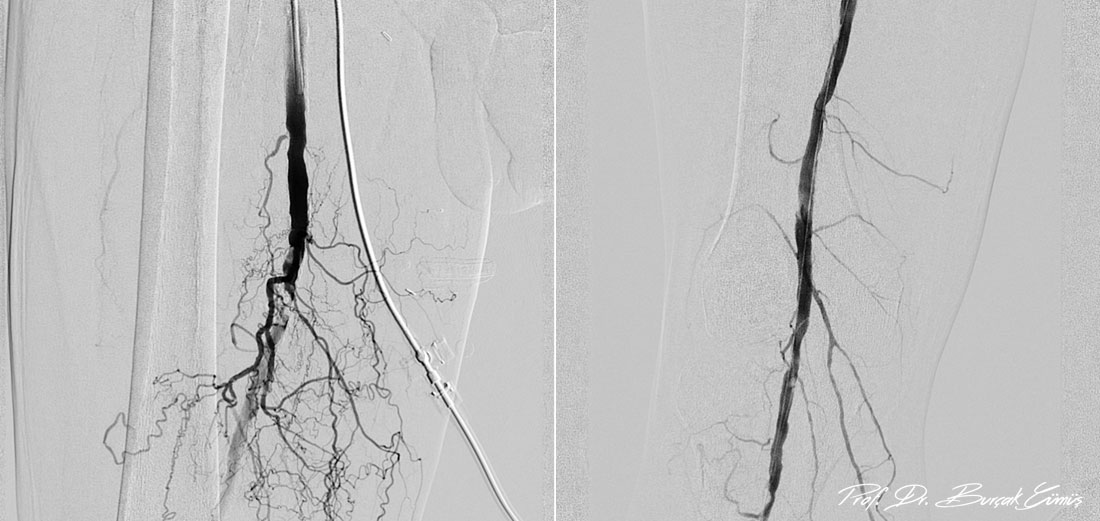
DIABETIC FOOT
Diabetes is the largest transcontinental outbreak today, and diabetic patients are 10 times more likely to suffer from cardiovascular diseases than the normal population.
Diabetes affects the arterial system throughout the body, and especially the foot arteries are frequently involved.
The frequency of peripheral arterial disease in diabetic patients increased 2-4 times.
15% of diabetic patients develop foot wounds at some point in their lives.
Diabetes is the most common cause of limb loss other than trauma, and the rate of limb loss is 5-10 times higher compared to the group without diabetes.
Amputation is the most feared complication of diabetes and every 20 seconds in the world, one leg goes to amputation (limb loss or amputation) due to diabetes.
Peripheral vascular disease and infection are the main causes of diabetic leg amputations, and in more than 80% the onset of the event is based on a foot ulcer.
It is important to refer diabetic patients with arterial disease in their feet, to multidisciplinary and experienced centers that will regenerate foot blood flow (revascularization), especially if there is accompanying foot ulcer.
The experience of the center is critical in determining the options for revascularization to be offered to the patient.
Again, in the determination of the revascularization option, a multidisciplinary team should jointly determine the treatment option.
Today, in many centers, appropriate treatment options are determined according to the principle of 'endovascular first' non-operative angiographic procedures performed by closed method).
Closed angiographic therapies are the primary and primary treatment modality in the treatment of vascular diseases and foot wounds due to diabetes, especially in patients with many comorbidities as a result of diabetes.
Endovascular therapies, with the support of technology, are a continuously developing field and will continue to be an important part of the multidisciplinary approach in the treatment of the diabetic foot.